
Can/Should AI Replace Professors?

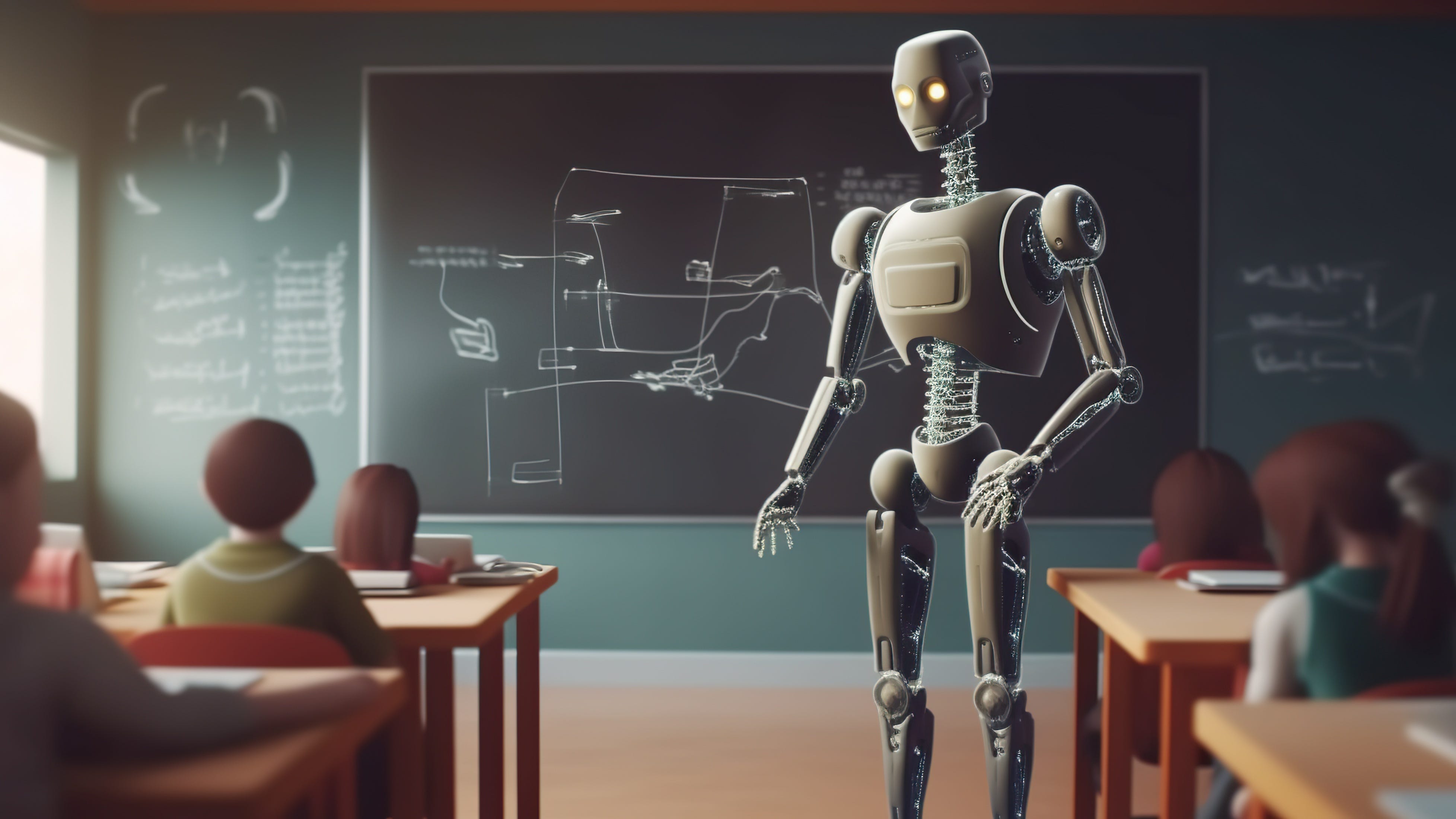
A student asked me in class whether AI could replace a professor.
My answer surprised the room:
Yes.
Not hypothetically. Right now.
If I wanted to, I could use AI to help design a course, generate lectures, create assessments, facilitate discussions, provide feedback, evaluate assignments, and post grades. Many of the mechanical functions of teaching can already be assisted, accelerated, or automated by AI tools.
That reality makes many educators uncomfortable.
But pretending the technology is incapable of these things does not help us prepare for what comes next.
The more important question is not “Can AI replace professors?”
It is “Should it?”
And I think that question forces us to examine what teaching actually is.
If education is simply content delivery, then AI will continue to become extraordinarily effective. AI can scale instruction, personalize learning pathways, provide immediate feedback, operate 24/7, and reduce administrative burdens that consume enormous amounts of faculty time.
In some ways, it may improve parts of education significantly.
But great teaching has never been only about delivering information.
Great professors recognize confusion before students know how to articulate it. They motivate discouraged learners. They adapt explanations in real time. They mentor students through uncertainty, career decisions, confidence struggles, and intellectual growth. They model professionalism, curiosity, empathy, accountability, and human connection.
Those are harder things to automate.
The future of higher education likely will not be AI versus professors.
More realistically, it will be professors who effectively leverage AI versus those who do not.
That distinction matters.
As I explored in a recent three-part article series on teaching with AI, I have been experimenting with these tools in my own work. Last semester, I used AI to assist with grading workflows and feedback organization. This semester, I am using it to help prepare seminar discussions and structure classroom activities.
Not because I want AI to replace teaching.
Because I want to understand how it can improve teaching.
Used thoughtfully, AI may free faculty from some of the repetitive and administrative work that often pulls time away from actual student engagement. Ironically, AI may create opportunities for professors to become more human in how they teach, mentor, and connect with students.
Perhaps the real danger is not that AI will replace professors. It is that higher education might mistake efficiency for education itself.